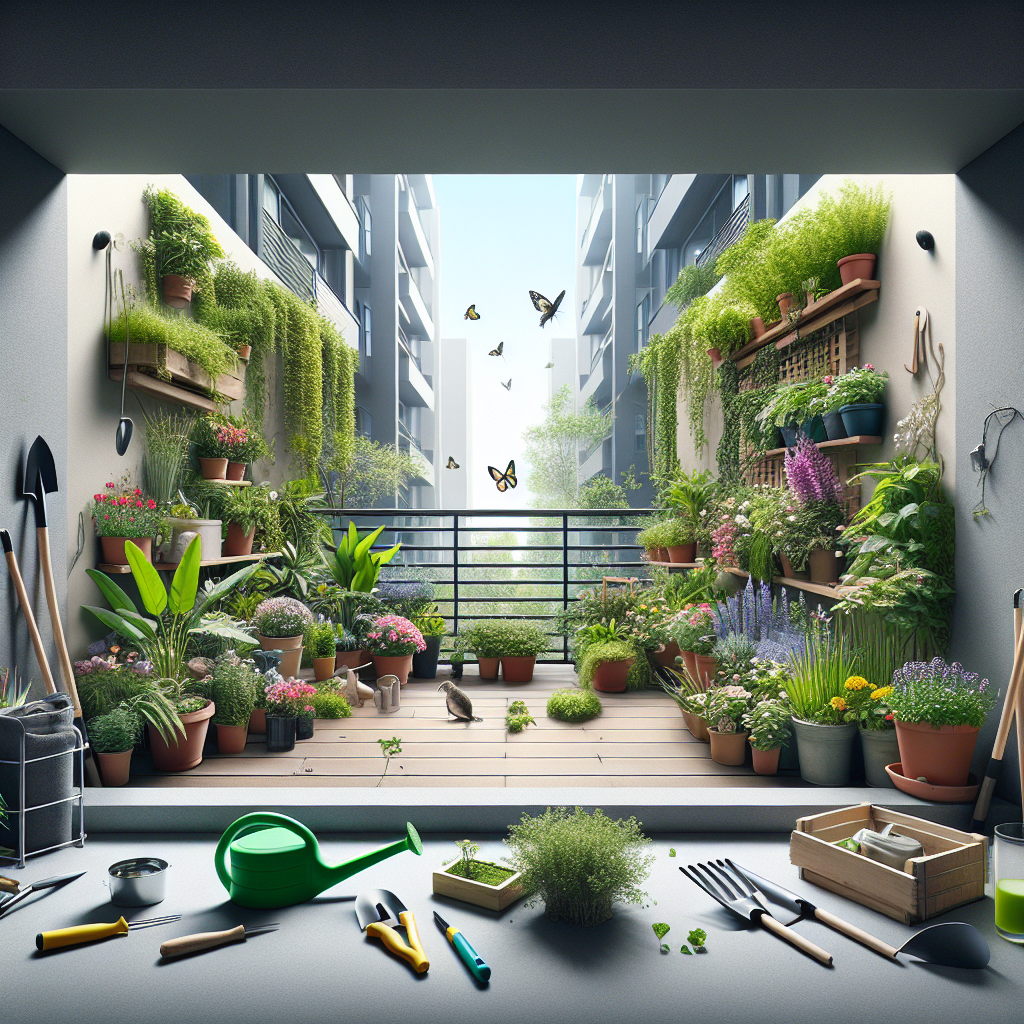
Essential Tools for Creating a Balcony Garden in Your Apartment
Creating a balcony garden in your apartment is a great way to bring some greenery and life into your living space. Not only does it add aesthetic appeal, but it also has numerous benefits such as improving air quality, reducing stress, and providing a space for relaxation and gardening. However, before you start planting, it is important to have the essential tools to ensure the success of your balcony garden.
The first tool you will need is a good quality planter. Since you will be growing plants in a limited space, it is important to choose a planter that is both functional and visually appealing. There are various types of planters available in the market, such as hanging baskets, window boxes, and railing planters. Consider the size and weight of your planter, as well as the type of plants you will be growing, to determine the best option for your balcony garden.
Next, you will need potting soil. It is crucial to choose a high-quality potting mix that is specifically designed for container gardening. This type of soil is lightweight, well-draining, and contains essential nutrients for plant growth. Avoid using garden soil as it can be too heavy and may contain pests or diseases that can harm your plants. Additionally, consider adding some organic matter, such as compost or peat moss, to improve the soil’s quality and provide additional nutrients for your plants.
Another essential tool for your balcony garden is a watering can or hose. Since your plants will be in containers, they will require more frequent watering compared to plants in the ground. A watering can or hose with a gentle spray nozzle will help you water your plants without causing any damage. It is also important to have a drainage tray or saucer to catch excess water and prevent it from dripping onto your balcony floor.
To keep your balcony garden looking neat and tidy, you will need a pair of gardening gloves and a hand trowel. Gardening gloves will protect your hands from dirt, thorns, and other potential hazards while working with your plants. A hand trowel is a small, handheld tool that is perfect for digging, planting, and transferring soil. It is also useful for removing weeds and dead plants from your balcony garden.
In addition to these tools, you may also need a small hand pruner or scissors for trimming and pruning your plants. This will help keep your plants healthy and promote new growth. A small rake or hand cultivator can also come in handy for loosening and aerating the soil in your planters.
Now that you have the essential tools for your balcony garden, it is time to choose the right plants. When selecting plants for your balcony garden, consider the amount of sunlight your balcony receives and the size of your planters. Some plants that do well in containers and can thrive in limited sunlight include herbs, succulents, and ferns. You can also add some color to your balcony garden with flowering plants such as petunias, geraniums, and marigolds.
In conclusion, creating a balcony garden in your apartment is a fun and rewarding experience. With the right tools and plants, you can transform your balcony into a beautiful and peaceful oasis. Remember to choose high-quality planters and potting soil, have a watering can or hose, gardening gloves, hand trowel, and other necessary tools to ensure the success of your balcony garden. Happy gardening!
– Vertical planters or hanging baskets
Having a balcony in your apartment is a luxury that not everyone has. It provides a small outdoor space where you can relax, enjoy the view, and even grow your own garden. Yes, you read that right – you can have a garden in your apartment balcony! With the right tools and plants, you can transform your balcony into a green oasis that will not only beautify your space but also provide you with fresh herbs and vegetables.
The first step in developing a balcony garden is to assess the space you have. Measure the dimensions of your balcony and take note of any obstructions such as railings or air conditioning units. This will help you determine the size and type of plants that will fit in your balcony. You should also consider the amount of sunlight your balcony receives. Is it full sun, partial sun, or mostly shaded? This will determine the type of plants that will thrive in your balcony garden.
Once you have assessed your space, it’s time to gather the necessary tools. The most important tool for a balcony garden is a vertical planter or hanging basket. These are perfect for small spaces as they allow you to grow plants vertically, saving precious floor space. You can find a variety of vertical planters and hanging baskets in different sizes and materials such as plastic, metal, or ceramic. Choose one that fits your balcony’s aesthetic and can hold the type of plants you want to grow.
Next, you will need potting soil and containers. It’s important to use high-quality potting soil as it provides the necessary nutrients for your plants to grow. You can find potting soil specifically made for container gardening, which is ideal for balcony gardens. As for containers, you can use traditional pots or get creative and repurpose items such as old buckets or tin cans. Just make sure they have drainage holes at the bottom to prevent water from pooling and causing root rot.
Now that you have your tools, it’s time to choose the plants for your balcony garden. When selecting plants, consider the amount of sunlight your balcony receives and the size of your containers. For full sun balconies, you can grow herbs such as basil, thyme, and rosemary, as well as vegetables like tomatoes, peppers, and lettuce. Partial sun balconies are perfect for plants like mint, parsley, and chives. If your balcony is mostly shaded, you can still grow plants like ferns, begonias, and impatiens.
When it comes to arranging your plants, it’s important to consider their height and growth habits. Place taller plants at the back or in the center of your balcony, and shorter plants in the front or around the edges. This will create a visually appealing and balanced garden. You can also mix and match different plants to add texture and color to your balcony garden.
Once you have planted your balcony garden, it’s important to maintain it regularly. Water your plants regularly, but be careful not to overwater them. You can also add a layer of mulch on top of the soil to help retain moisture. Fertilize your plants every few weeks to provide them with the necessary nutrients. And don’t forget to prune and trim your plants to keep them healthy and promote growth.
In conclusion, developing a balcony garden in your apartment is a great way to bring nature into your living space. With the right tools and plants, you can create a beautiful and functional garden that will provide you with fresh herbs and vegetables. So, assess your space, gather your tools, choose your plants, and start growing your own balcony garden today!
– Small gardening tools (trowel, pruning shears, etc.)
Having a balcony in your apartment is a luxury that not everyone has. It provides a small outdoor space where you can relax, enjoy the view, and even grow your own garden. Yes, you read that right – you can have a garden in your apartment balcony! With the right tools and plants, you can transform your balcony into a green oasis.
The first step in developing a balcony garden is to assess the space you have. Measure the dimensions of your balcony and take note of any obstructions such as railings or air conditioning units. This will help you determine the size and type of containers you can use for your plants.
Next, gather the necessary tools for your balcony garden. Small gardening tools such as a trowel, pruning shears, and a watering can are essential for maintaining your plants. These tools can easily be stored in a small storage box or hung on a wall to save space. It is also a good idea to invest in a small gardening stool or knee pads to make gardening more comfortable.
When it comes to containers, there are various options to choose from. You can use traditional clay pots, plastic containers, or even repurpose old items such as tin cans or mason jars. Just make sure that the containers have proper drainage holes to prevent water from pooling and causing root rot. You can also add a layer of gravel or pebbles at the bottom of the container to improve drainage.
Now, let’s talk about the most important aspect of a balcony garden – the plants. When selecting plants for your balcony garden, consider the amount of sunlight your balcony receives. If your balcony is shaded, opt for plants that thrive in low light conditions such as ferns, begonias, and impatiens. On the other hand, if your balcony receives direct sunlight, choose plants that can withstand the heat such as succulents, herbs, and geraniums.
Another factor to consider is the size of your balcony. If you have a small balcony, choose plants that are compact and don’t require a lot of space to grow. Some great options for small balconies include cherry tomatoes, strawberries, and dwarf citrus trees. For larger balconies, you can experiment with taller plants such as bamboo or climbing vines.
When it comes to maintenance, balcony gardens require regular watering and occasional fertilizing. Make sure to water your plants thoroughly, but not to the point of waterlogging. You can also use a slow-release fertilizer to provide your plants with the necessary nutrients. Pruning and deadheading are also important tasks to keep your plants healthy and promote new growth.
In addition to plants, you can also add other elements to your balcony garden to make it more inviting. Hanging baskets, trellises, and fairy lights can add a touch of charm to your balcony. You can also incorporate a small seating area where you can relax and enjoy your garden.
In conclusion, developing a balcony garden in your apartment is a great way to bring nature into your living space. With the right tools and plants, you can create a beautiful and functional garden that will provide you with fresh herbs, fruits, and vegetables, as well as a peaceful retreat from the hustle and bustle of city life. So, roll up your sleeves, grab your gardening tools, and start creating your own balcony garden today!